




Weight Management CompoundingHormone Replacement Therapy (HRT)Peptide Aesthetic & Wellness Allergy ImmunotherapySexual HealthIV TherapyDermatology Compounding
Clinical Compounding, tailored to your wellness goals


About Us
About AccuMix

Top Products
Why Compounding?
When no commercial option fits
Personalized strength & dosing
Alternative dosage forms
Fewer problem ingredients
Fewer bottles to manage
Not commercially available
We compound patient-specific medications when a suitable commercial product doesn't exist or isn't appropriate, following your provider's prescription.
Customized dose and titration
Exact strengths (including micro-doses) and titration schedules tailored to your treatment plan.
The right route for you
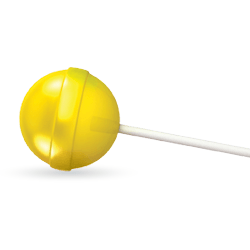
Capsules, oral liquids, transdermal creams/gels, troches/ lozenges (including lollipops), suppositories, ophthalmics, and sterile preparations-as directed by your provider.
Allergen- and additive-conscious
Formulations can be prepared without common excipients like dyes, sugar, lactose, gluten, or alcohol when requested by your prescriber.
Compatible ingredients combined
When clinically appropriate, we can combine compatible medications into a single preparation to simplify administration and support adherence.
** Prescription required. Compounded medications are prepared under federal and state regulations and USP standards; they are not reviewed or approved by the FDA. Availability of certain compounds may vary by state law and clinical appropriateness.

Why Us?
Why AccuMix Pharmacy?
Advanced Cleanrooms
ISO Class 7 rooms, ISO Class 5 hoods, 24/7 environmental monitoring
Proven Quality & Compliance
USP (795)/(797) /<800>; cGMP-aligned SOPs; DEA-licensed
Licensed Where You Need Us
Multi-state licensure with fast, secure, discreet shipping
Pharmacist-Led Care
BCSCP expertise, provider collaboration, dosing guidance & patient education
Transparent Sourcing
FDA-registered suppliers;
COA-verified ingredients
503A Patient- Specific
Rx-only compounds made to your prescriber's exact directions
Compounded medications are prepared under federal/state regulations and USP standards; they are not reviewed


Products


Get Advice
Ask Your Questions and Get Advice Instantly


FAQ
Frequently asked questions
What is a compounding pharmacy?
A 503A compounding pharmacy makes patient-specific medications—custom strength, ingredients, and dosage form—per your prescriber’s directions, in sterile and non-sterile forms under USP ⟨795⟩/⟨797⟩/⟨800⟩ standards.
When is a compounding pharmacy necessary?
When a commercial drug doesn’t fit your needs:
- Different strength/titration
- Alternative dosage form (liquid, troche, transdermal, sterile injection/ophthalmic)
- Allergen-/additive-avoidance (no dyes, lactose, gluten, alcohol)
- Drug shortage/discontinuation or combination of compatible meds
What forms are compounded medications available in?
Sterile: injections/IVs, ophthalmics.
Non-sterile: capsules, oral liquids, troches/ODTs, creams/gels/ointments/lotions, transdermals, suppositories, nasal sprays/rinses.
Which providers can prescribe compounded medications?
Licensed prescribers in the patient’s state: MD/DO, NP/APRN, PA, DDS/DMD, DPM, OD/ophthalmology (where permitted), DVM (animals), and ND/NMD in eligible states. DEA registration is required for controlled meds.
Is pharmaceutical compounding different from drug manufacturing?
Yes. 503A compounding = custom, patient-specific Rx; not mass-produced; follows USP standards (not FDA-approved products). Manufacturing = FDA-approved, cGMP mass production for resale. (503B outsourcing is a separate FDA-regulated model for office-use batches.)
Who regulates compounding pharmacies?
State Boards of Pharmacy (licensure/inspections, 503A rules), FDA (FD&C Act enforcement; no FDA “approval” of compounded meds), DEA (controlled substances), and USP standards ⟨795⟩/⟨797⟩/⟨800⟩.